


























As of Spring 2026, Sora.ai which is an AI video application made by OpenAI, has been taken offline as U.S. courts take up cases against Meta and YouTube over alleged data and content misuse, spotlighting who is accountable, what went wrong, where responsibility lies, why action is escalating, and how it could reshape the future of AI and online platforms.
“It’s terrifying how fast AI is progressing,” Fallon Sullard ‘27 said. “I don’t doubt that it will affect our future if there is nothing done about it now.”
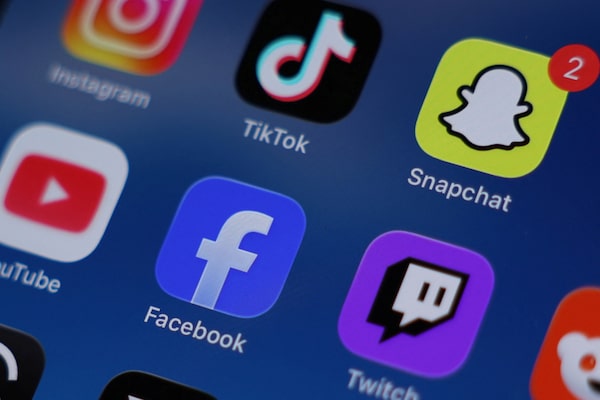
These new developments have revolved around large tech companies such as Meta and YouTube, which have faced legal action due to their design and impact on users, particularly the younger generation. In an important case in the United States, a jury found these companies guilty of fueling addiction on social media through the use of infinite scrolling, recommendation algorithms, and engagement-based design elements.
In addition to the addiction case, Meta also faced another lawsuit involving child safety. A separate court ruled that the company failed to properly protect younger users from harmful content and interactions, resulting in hundreds of millions of dollars in damages. These back-to-back legal losses indicate a growing shift toward holding tech companies responsible for user well-being.
“I mean, I can’t say I’m surprised since those kind of apps don’t really have the best regulations in their systems,” Emily Slakes ‘27 said.
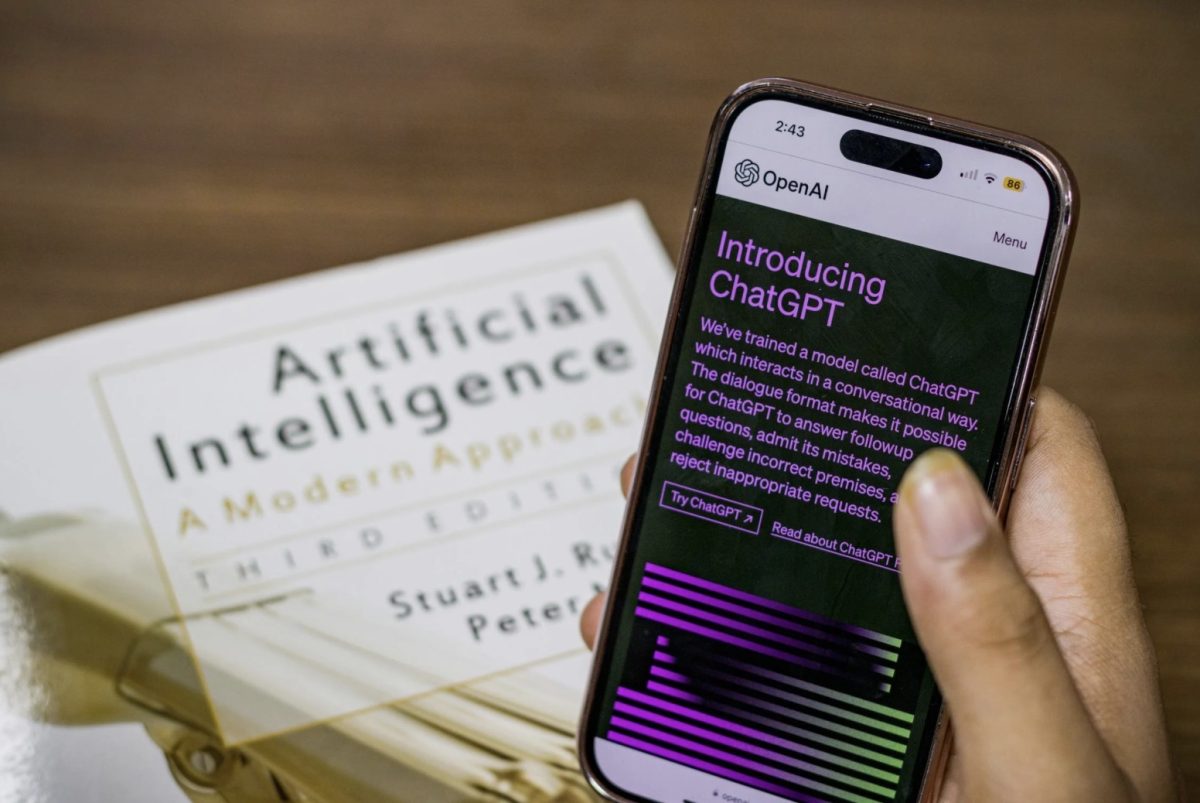
On the other hand, the closure of Sora Sora.ai, points out another problem with regard to fast-growing AI technology. In Sora, users were able to create videos through the use of AI technology, but soon enough, there were issues concerning deepfakes, misinformation, and usage of recognizable individuals without permission from the owners.
OpenAI eventually pulled Sora from the internet only a few months after its launch, showing that technology can sometimes outpace its regulation. This shows how there is an ongoing struggle within the technological sector where advancements are made at a rapid pace, yet the ethical standard and laws have not been able to keep up.
“Personally, I think that if no one is held accountable, then nothing will change and things will stay the same or get progressively worse,” Slakes said.